Honeydrop Font: Sweet Design Touch
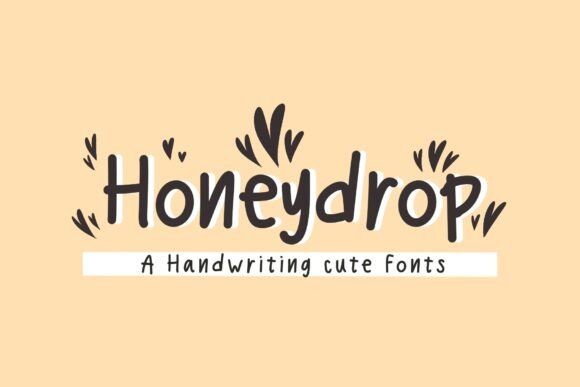
Honeydrop is a script font that brings a soft, inviting presence to editorial design. Its rounded strokes and gentle flow make it ideal for content that aims to feel warm and approachable. As part of the Script Amp collection, Honeydrop offers a unique blend of elegance and accessibility, perfect for designers seeking a touch of personality in their layouts.
When used in editorial projects, Honeydrop adds a visual warmth that can enhance reader engagement. Whether it's a blog header, a magazine cover, or a quote graphic, the font’s fluidity helps create a sense of movement and emotion. Its style is particularly effective for content that leans into lifestyle, wellness, or creative themes.
Using Honeydrop in Editorial Layouts
In article layouts, Honeydrop can be used to highlight key sections, such as headings, pull quotes, or section dividers. Its readability on screen makes it suitable for digital publications, while its aesthetic appeal ensures it stands out in print. For example, a lifestyle blog might use Honeydrop for headlines to draw attention without overwhelming the reader.
For ebook titles and chapter openers, Honeydrop provides a refined yet friendly look. It pairs well with serif fonts for body text, creating a balanced contrast that supports both visual hierarchy and readability. This combination works especially well in recipe books, where the font can complement the culinary theme while maintaining clarity.
Newsletters and printable guides also benefit from Honeydrop’s charm. A wedding guide might use it for headings or section titles, adding a personal and elegant touch. Similarly, a coaching workbook could incorporate it into lead magnets or worksheets to reinforce a brand’s tone and style.
Honeydrop for Branding and Visual Identity
Honeydrop is more than just a font—it’s a tool for building brand identity. When used consistently across publications, it helps establish a cohesive visual language. This is especially useful for independent content creators who want to maintain a distinct aesthetic across blogs, social media graphics, and digital products.
For packaging design or web design, Honeydrop can serve as an accent typeface, adding a touch of creativity without compromising legibility. It’s also a great choice for logo design when a softer, more organic feel is desired. The font’s personality aligns well with brands focused on wellness, food, or handmade goods.
When paired with a clean sans serif font, Honeydrop can create a modern yet inviting layout. This pairing works well for digital magazines or online courses, where clarity and visual interest are both important. For instance, a printable planner might use Honeydrop for headers and a sans serif font for instructions, ensuring both beauty and functionality.
Readability and Practical Considerations
While Honeydrop is a display font, it maintains a level of readability that makes it suitable for short text elements. On mobile devices and in PDF formats, it retains its character without becoming too ornate. This makes it a reliable choice for content that needs to look good across different platforms.
Designers should consider the font’s weight and spacing when using it for larger blocks of text. For longer reading, it’s best to pair it with a more traditional typeface. However, for headings, subheadings, or decorative elements, Honeydrop shines as a standout choice.
Before finalizing a project, check the font’s available styles, alternates, and ligatures. These features can add depth and variety to design work, allowing for more creative expression. Additionally, ensure that the font supports the languages needed for the project, especially if it’s intended for international audiences.
Commercial Licensing and Usage
For commercial projects, including ebooks, templates, printables, or paid newsletters, it’s essential to verify the licensing terms of Honeydrop. Most premium fonts allow for such use, but understanding the specific permissions ensures compliance and avoids legal issues.
Content creators and publishers should also consider how Honeydrop fits into their overall design assets. As a creative font, it can be a valuable addition to a toolkit that includes serif, sans serif, and other script fonts. Its versatility makes it a go-to option for a wide range of editorial needs.
Whether it’s a digital magazine, a recipe ebook, or a creator newsletter, Honeydrop offers a way to infuse personality into every page. Its gentle curves and flowing lines provide a visual rhythm that enhances the reader experience, making it a thoughtful choice for anyone looking to elevate their design work.