Bodoquito: A Playful Font for Creative Projects
There I was, staring at a blank brand board, trying to figure out how to make a new café identity feel fresh and inviting. The client wanted something approachable, something that made people smile just by looking at it. That’s when I pulled up Bodoquito, the irresistibly cute and playful handwritten font that brings a smile to any project.
Visual Characteristics and Personality
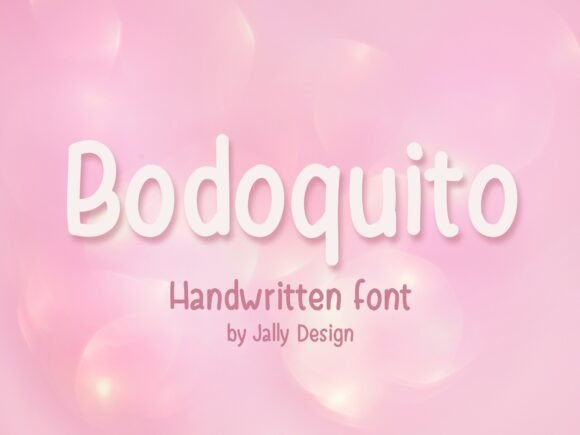
Bodoquito has this delightfully chubby letterform that feels like it was drawn with a soft pencil on a notepad. The soft, rounded edges give it a friendly, almost huggable vibe. It doesn’t have the sharpness of a sans serif or the elegance of a serif, but it’s got its own unique charm. This font is perfect for brands that want to convey warmth, playfulness, and a touch of whimsy without being too loud.
It’s not just about looks, though. The personality of Bodoquito makes it stand out in a sea of more rigid typefaces. It feels like a hand-drawn sketch that someone made just for fun, which is exactly what many creative projects need.
Real-World Testing in Branding
I tested Bodoquito on a logo concept, a brand board, packaging mockup, business card, website header, and social media layout. In each case, it added a layer of character that other fonts couldn’t match. On a coffee shop logo, it felt like the name was written by a barista who loves their job. On a packaging label, it gave the product a handmade, artisanal quality that resonated with customers.
On a business card, it stood out as a bold statement, while still maintaining a sense of readability. For a website header, it worked well as a headline, drawing attention without overwhelming the rest of the design. Social media graphics also benefited from Bodoquito’s playful energy, making posts feel more engaging and personal.
Strengths and Limitations
Bodoquito shines as a display font, especially in short phrases or headlines. It’s not ideal for long body text, where clarity and legibility are key. In small sizes, the rounded edges can make some letters less distinct, so it’s best used in larger formats like logos, signage, or banners.
It’s also not the best choice for formal corporate branding. If you’re designing for a law firm or a financial institution, Bodoquito might come off as too casual. But for boutique shops, cafés, skincare brands, or handmade products, it’s a perfect fit.
One thing to note is that Bodoquito works best when paired with other fonts. A clean sans serif or a classic serif can balance its playful nature, creating a more professional and cohesive look. I found that pairing it with a simple sans serif like Lato or a serif like Georgia helped maintain visual harmony without losing the font’s charm.
Practical Considerations
Before using Bodoquito in final client work, it’s important to test it in different contexts. Print and digital environments can affect how a font appears, so always check it on screens and physical samples. Make sure it works well with your color palette and overall design direction.
Also, check the licensing terms. While Bodoquito is likely a premium font, it’s essential to confirm whether it’s suitable for commercial use, especially if you’re working on branding materials, templates, or merchandise. Some fonts have restrictions that could limit your ability to use them in certain ways.
If you’re interested in Bodoquito, make sure to explore the included styles, alternates, ligatures, and swashes. These features can add variety and depth to your designs, allowing you to customize the font to better suit your project’s needs.
When to Use Bodoquito
Bodoquito is best suited for projects that benefit from a human touch. It’s great for logos, signage, packaging, social media, and web headers. Its handwritten style adds a personal, authentic feel that can help build a stronger connection with your audience.
For editorial design, it can be used as an accent or headline font, adding visual interest without disrupting the flow of content. In posters or flyers, it can serve as a focal point, drawing attention and conveying a specific mood or message.
Overall, Bodoquito is a versatile tool in a designer’s toolkit. Whether you’re working on a local restaurant logo, a handmade shop branding, or a creative studio identity, it offers a unique and expressive way to communicate your brand’s personality.